


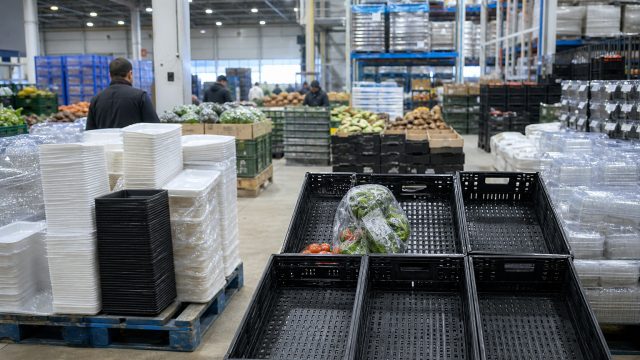
Rising Food Prices: The Ongoing Impact of Plastic Shortages
As global economies strive to recover from recent disruptions, consumers are feeling the pinch at grocery stores. The ongoing shortage of plastics, exacerbated by various geopolitical tensions, is driving food prices higher, affecting budgets and choices for families worldwide.
The Link Between Plastics and Food Costs
Packaging plays a critical role in the food supply chain, ensuring products remain fresh and safe for consumption. The recent upheaval in plastic production due to the Iran conflict has led to significant price increases for food packaging materials. This increase is ultimately passed down to consumers, resulting in inflated grocery bills.
Understanding the Plastic Supply Chain
The relationship between plastic availability and food costs is complex. Plastics are used extensively in food packaging, containers, and even in the supply chain logistics that keep food items safe during transportation. A shortage in plastic supplies leads to:
- Increased costs for manufacturers
- Higher retail prices for consumers
- Reduced variety in product offerings
Current Market Conditions and Their Impact
With the conflict in Iran continuing to disrupt the supply chains, market analysts predict that the shortages of plastic materials will persist. This situation is further complicated by rising energy costs, which affect production capabilities. As a result, consumers are witnessing:
- Significantly higher prices on essential food items
- Increased demand for alternative packaging solutions
- Potential shortages of specific food products
Consumer Reactions and Adaptations
As grocery prices continue to climb, consumers are starting to adapt their purchasing behaviors. Some trends observed include:
- Shifting toward bulk buying to save on costs
- Increased interest in sustainable packaging options
- Growing popularity of local markets to reduce transport costs
The Future of Food Pricing Amidst Plastic Shortages
Looking ahead, it is crucial for both consumers and businesses to stay informed about the evolving landscape of food pricing influenced by plastic shortages. Businesses may need to innovate in terms of packaging to mitigate costs, while consumers will have to navigate this changing market.
Strategies for Keeping Costs Down
To cope with rising food prices, consider implementing the following strategies:
- Plan meals around sales and seasonal produce
- Seek out store brands, which often provide cost-effective alternatives
- Utilize online resources to track price changes and find deals
Conclusion: Navigating a Challenging Market
The ongoing plastic shortages stemming from geopolitical conflicts are creating a ripple effect across the food industry, leading to increased prices and economic strain for consumers worldwide. Businesses and consumers alike must remain proactive and informed as they navigate these challenges. By adapting to changing market conditions and embracing innovative packaging solutions, we can mitigate some of the impacts of these shortages.
