


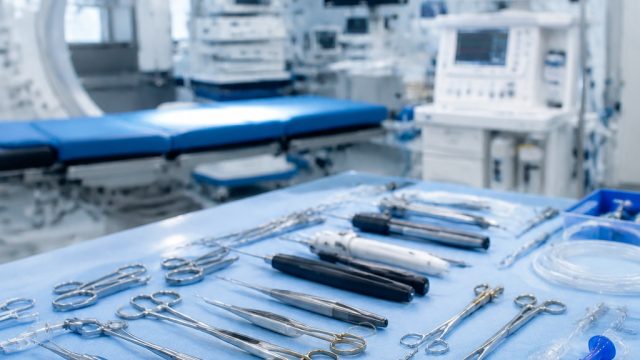
Revamping Medical Devices: Why It Matters Now More Than Ever
The landscape of medical devices is undergoing a significant transformation. As we advance into 2024, the integration of cutting-edge technology and innovative practices in medical device exports is not just beneficial; it is imperative. This article explores the critical advancements in the field and the urgent need for businesses to adapt and evolve in this competitive market.
Current Trends Shaping Medical Device Exports
The global market for medical devices is projected to reach unprecedented heights in the coming years. With rapid technological advancements and increasing demand for high-quality healthcare products, understanding these trends is essential for businesses aiming to remain competitive.
1. Digital Transformation
The rise of digital technology has revolutionized the medical device sector. Innovations such as telemedicine, wearable health tech, and remote patient monitoring are gaining traction. Businesses must embrace these technologies to streamline operations and enhance patient care.
2. Regulatory Changes and Compliance
As the industry evolves, so do the regulations governing it. The FDA and international regulatory bodies are continuously updating compliance standards, impacting how medical devices are designed, tested, and marketed. Keeping abreast of these changes is crucial for exporters.
3. Focus on Patient-Centric Designs
Modern medical devices are increasingly designed with the patient experience in mind. This shift not only improves outcomes but also drives customer loyalty. Adopting a user-friendly approach can differentiate a product in a saturated market.
Why Innovation in Medical Devices Is Urgent Now
The urgency for innovation in medical devices is underscored by various factors:
- Aging Population: As the global population ages, there is an escalating need for advanced medical solutions to manage chronic conditions.
- Emerging Health Threats: The recent pandemic has highlighted vulnerabilities in healthcare systems. Innovative medical devices are essential for preparedness and response.
- Global Health Initiatives: Increased focus on global health equity requires scalable, affordable medical technologies that can be deployed across diverse settings.
Strategic Recommendations for B2B Exporters
To capitalize on the current trends and needs in the medical device industry, B2B exporters should consider the following strategies:
1. Invest in Research and Development
Fostering an environment that prioritizes R&D will lead to meaningful innovations. This investment not only enhances product quality but also boosts brand reputation.
2. Build Strong Partnerships
Collaborating with healthcare providers, technology firms, and researchers can drive innovation and improve product offerings. Strategic partnerships can also facilitate entry into new markets.
3. Enhance Supply Chain Efficiency
Streamlining the supply chain is vital for reducing costs and improving delivery times. Utilizing technology for inventory management and logistics can enhance operational efficiency.
The Future of Medical Devices
As we look ahead, the future of medical devices will be shaped by continuous improvement and adaptation. Companies that prioritize innovation, comply with regulatory demands, and focus on patient needs will not only survive but thrive in this dynamic landscape.
In conclusion, the urgency for transformation in the medical device industry cannot be overstated. By embracing innovation and remaining adaptable, businesses can position themselves favorably in the global market, ultimately contributing to better healthcare outcomes around the world.
