


Tragedy Strikes Wedding Celebration Amid Rising Tensions
Key Takeaways
- Five individuals have reportedly lost their lives due to the strike.
- Over 67 people sustained injuries, including women and children.
- The attack occurred in a residential area during a wedding celebration.
- The US disputes accusations of targeting civilians in this incident.
- Weapons analysts confirm that the munition used was American-built.
Incident Overview
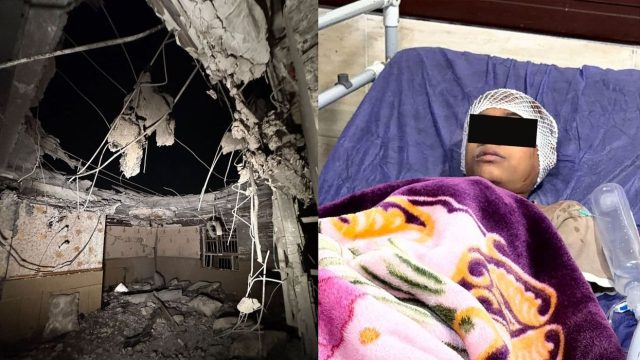
On a night intended for celebration and joy, the tranquility of a wedding in Kuhestak, a small port city in southern Iran, was shattered by a sudden US military strike. This tragic event, which took place amidst rising geopolitical tensions, has left families mourning and questioning the implications of such attacks on civilians. The strike reportedly targeted a residential area where a wedding was in full swing, drawing together families and neighbors from the local community.
Impact on Local Community
The wedding, a significant cultural event, was filled with laughter and anticipation. Guests were present, adorned with traditional attire, as women applied intricate henna designs to their hands. Children played in the background, embodying the essence of community spirit. These moments were abruptly interrupted by the chaos of an airstrike, resulting in a devastating toll on innocent lives. In total, five people were confirmed dead, with more than 67 others sustaining various injuries. Eyewitness accounts have highlighted the presence of women and children among those affected.
Humanitarian Concerns
This incident raises critical humanitarian concerns, as the local population grapples with the aftermath. Many families were left without loved ones and financial stability. The psychological impact on the community, particularly on children who witnessed the violence, will likely persist long after the physical wounds have healed. As news of the tragedy spreads, calls for accountability and justice are mounting.
US Government Response
In the wake of the attack, the US government has issued statements asserting that its military operations do not target civilians or civilian infrastructure. However, local authorities and international observers have raised questions about the accuracy of these claims, especially given the evidence of American-made munitions being involved. Weapons analysts have conducted assessments and confirmed that the type of weapon used was indeed American, but discrepancies remain regarding the exact model.
International Reaction
The international community is closely monitoring the situation, with various human rights organizations urging for an independent investigation into the incident. Diplomats are also concerned about the potential escalation of hostilities in the region. The strike not only underscores the fragility of peace in the area but also amplifies existing tensions between the US and Iran.
Looking Ahead
As the dust settles on this tragic event, it is crucial to consider the broader implications for regional stability. The ongoing conflict in the Middle East, particularly between the US and Iran, demands urgent attention from global leaders. The need for diplomatic measures to prevent future tragedies is more pressing than ever. In a world where civilians often bear the brunt of military actions, fostering dialogue and understanding is essential to achieving lasting peace.
Conclusion
The heartbreaking events of that fateful night in Kuhestak serve as a stark reminder of the human cost of conflict. As families mourn their losses, there is a growing recognition that immediate action is required to prevent further tragedies. It is imperative for the global community to unite in seeking peaceful resolutions and protecting innocent lives.
 Seattle Seahawks Season Finale
Reflecting on 25 Years: The Un
Analyzing the Seattle Seahawks
Exploring Indonesia's Growing
Seattle Seahawks Season Finale
Reflecting on 25 Years: The Un
Analyzing the Seattle Seahawks
Exploring Indonesia's Growing